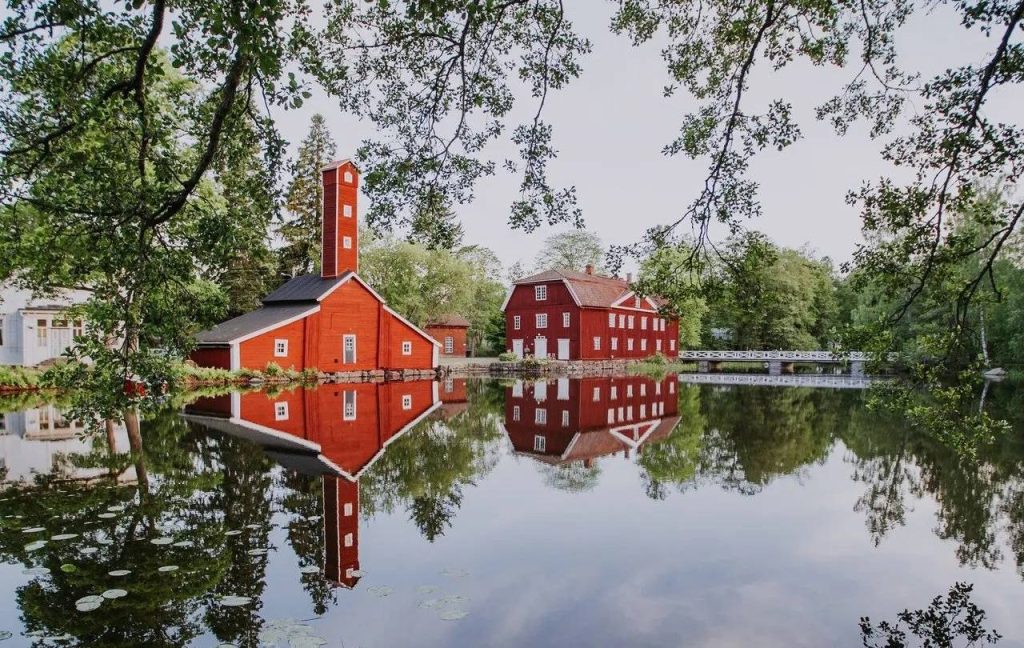
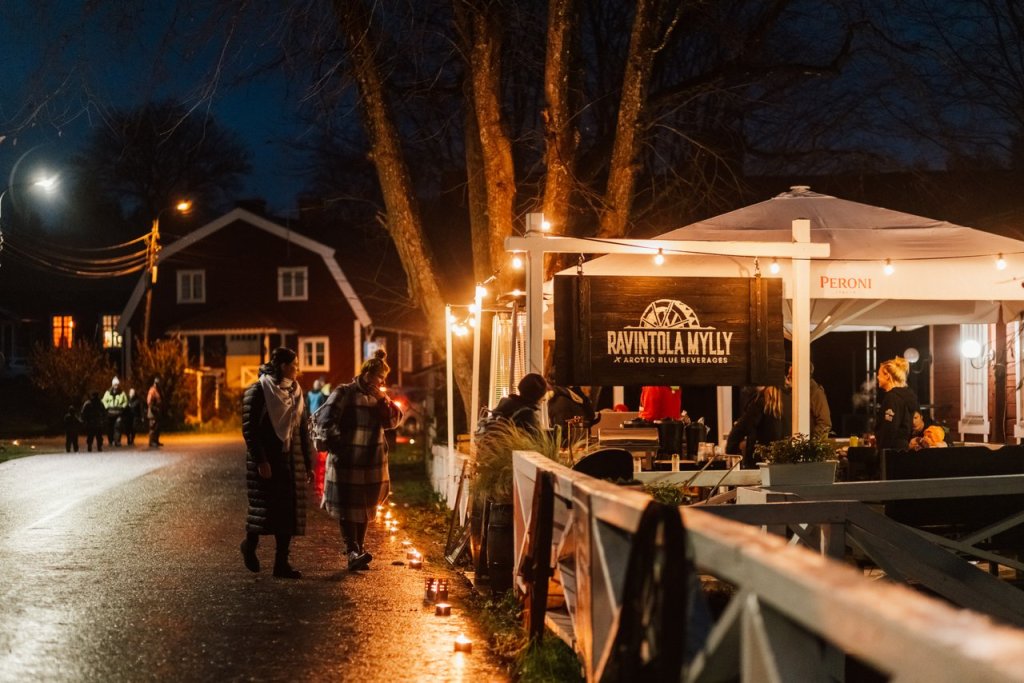
Strömforsin ruukki Loviisassa on yksi Suomen parhaiten säilyneistä historiallisista ruukkialueista. Alueen juuret ulottuvat 1600-luvulle, ja tänä päivänä ruukki tarjoaa monipuolisia palveluja vierailijoille. Historiallisessa ympäristössä toimivat puodit, kahvilat, ravintolat, majoitus-, aktiviteetti- ja hyvinvointipalvelut sekä eri alojen käsityöläiset. Strömfors on rauhallinen ja tunnelmallinen kohde, jossa historia ja nykypäivä kohtaavat.
Alueen kulttuurimatkailukäyttö on alkanut jo 1980-luvulla, kun vanha rakennuskanta jäi vaille käyttöä tehdastoimintojen siirryttyä uusiin tiloihin. Alkoi elävöittämishanke, jonka tuotoksena syntyi visio käsityön, taiteen ja kulttuuriperinnön elävästä matkakohteesta. 1990-luvulla alueelle oli jo muuttanut käsityöläisiä, avattu museo sekä taidegalleria Tallin ullakolle.
Strömforsin Ruukki todella on elävä kulttuuriperintökohde sillä alueella asuu yli 200 vakituista asukasta. Ruukin kokonaisuuteen kuuluu matkailupalveluiden lisäksi myös aktiivinen asukkaiden kyläyhdistys Strömfors Kylät ry, kirjasto, urheilukenttä, kylätila, päiväkoti, koulu sekä kylän oma mainio ruokakauppa.
Strömfors Ironworks in Loviisa is one of Finland’s best-preserved historical ironworks areas. The site’s roots date back to the 17th century, and today it offers a wide range of services for visitors. The historic setting is home to shops, cafés, restaurants, accommodation, activity and wellness services, and artisans from various fields. Strömfors is a peaceful and atmospheric destination where history and the present day meet.
The area began to be used for cultural tourism as early as the 1980s, after the old buildings fell into disuse following the relocation of factory operations to new premises. A revitalization project was launched, resulting in a vision of a vibrant destination centered on craftsmanship, art, and cultural heritage. By the 1990s, artisans had already moved into the area, and a museum and an art gallery—located in the stable loft—had opened.
Strömfors Ironworks is truly a living cultural heritage site, as over 200 permanent residents live in the area. In addition to tourism services, the ironworks complex includes an active village association (Strömfors Kylät ry), a library, a sports field, a village hall, a daycare center, a school, and the village’s own excellent grocery store.
Strömforsin materiaaliaikakaudet ja historia /
The material eras and history of Strömfors
“Generations will pass, but materials remain”
Strömforsin Ruukin historia ei ala raudasta, vaikka se onkin ruukin tunnetuin olemassa olon syy. Ennen raudantuotantoa koskessa, jota siihen aikaan Petjärven koskeksi kutsuttiin lähellä sijaitsevan Petjärven ratsutilan mukaan, kalastettiin sekä käytettiin jauhomyllyä. Alueen historia alkaa siis maataloudesta, elintarvikkeista ja joen antimista.
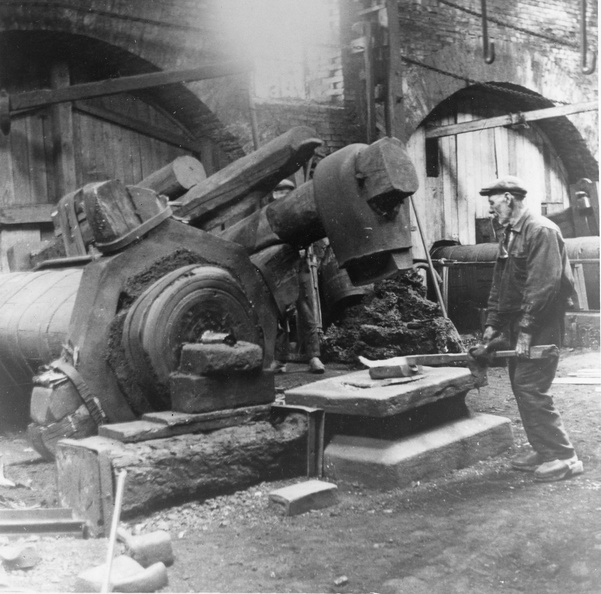
Varsinainen teollisuushistoria alkoi vuonna 1695, kun ruukin perustaja Johan Creutz sai privilegion eli raudan tuotanto-oikeuden Petjärven rautaruukille. Privilegion mukaan alueelle perustettiin ensimmäinen puurakenteiden kankirautapaja, jonka tehtävänä oli jatkokäsitellä Ruotsista laivattuja takkirautaharkkoja kankirautaharkoiksi. Ruukin seuraava materiaaliaikakausi oli siis kankiraudan.
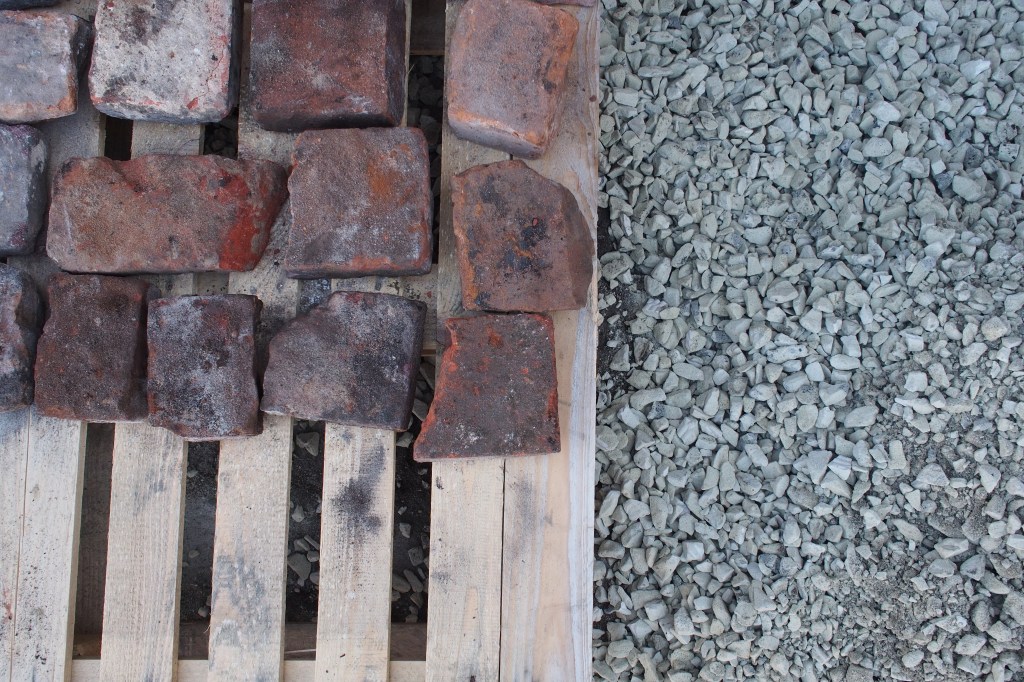
Kankiraudan aika jatkui useiden sukupolvien lävitse. Creutzit myivät Petjärven rautaruukin yrittäjäparivaljakolle nimeltä Jacob Forsel (myöhemmin af Forselles) sekä Anders Nohrström, jotka nimesivät ruukin uudelleen Strömforsiksi 1740-luvulla. Tähän aikaan saavuttaessa vanhat pajat ja padot olivat rapistuneet ja paljolti uudelleen rakentamisen tarpeessa. 1750-luvulla ruukille perustettiin myös raudantuotantoa tukevia muita tuotantolaitoksia kuten saha sekä tiiliruukki. Tiilen materiaaliaikakausi oli alkanut.
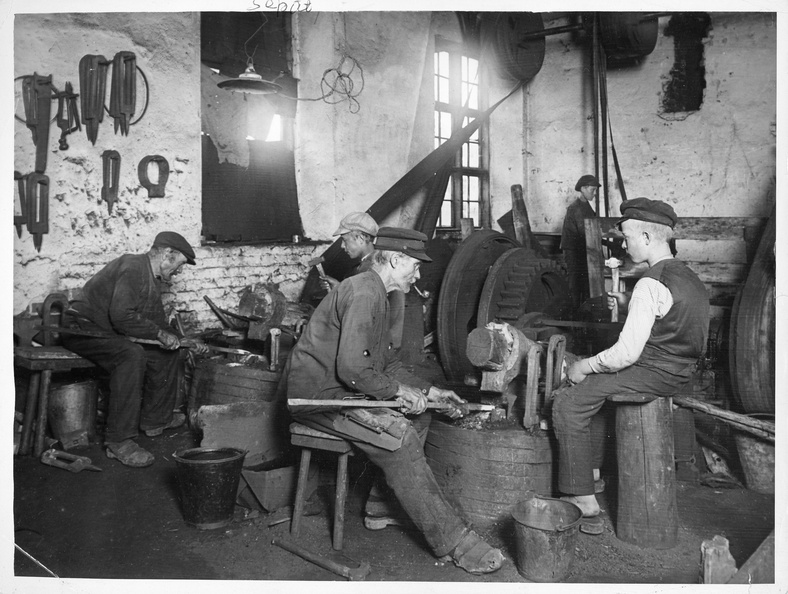
1800-luvun alkupuolella raakaraudan taloussuhdanne heikkeni. Tämän ehti kuitenkin ennustaa Strömforsin Ruukin ruukinpatruuna Virginia af Forselles juuri ennen kuolemaansa 1840-luvulla. Näin ruukki sai laajennetun tuotanto-oikeuden rautatuotteiden valmistamiselle, ensin kankiraudan tuotannon kyljessä. Virginian visio kävi kuitenkin toteen ja 1850-luvun jälkeen niin kutsutun manufaktuurituotannon merkitys osana Strömforsin tuotantoa kasvoi ja lopulta ohitti kankiraudantuotannon. Alkoi rautatuotteiden/nippuraudan materiaaliaikakausi.
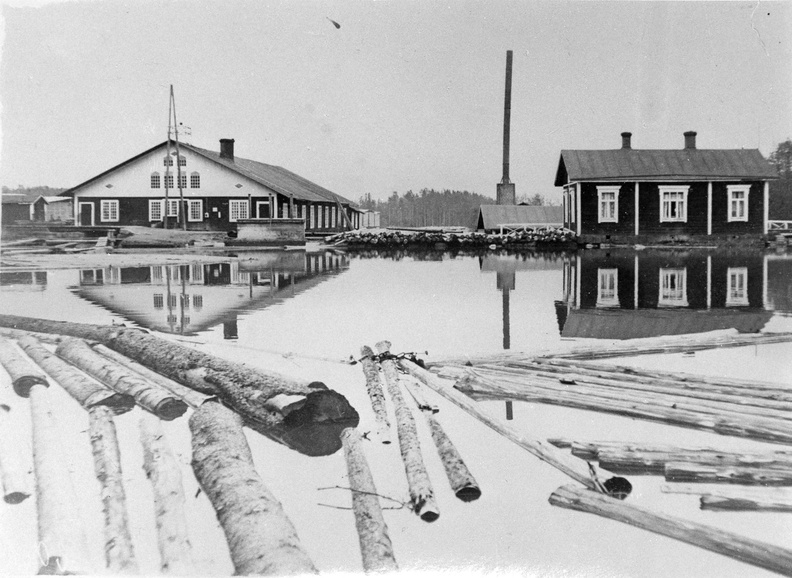
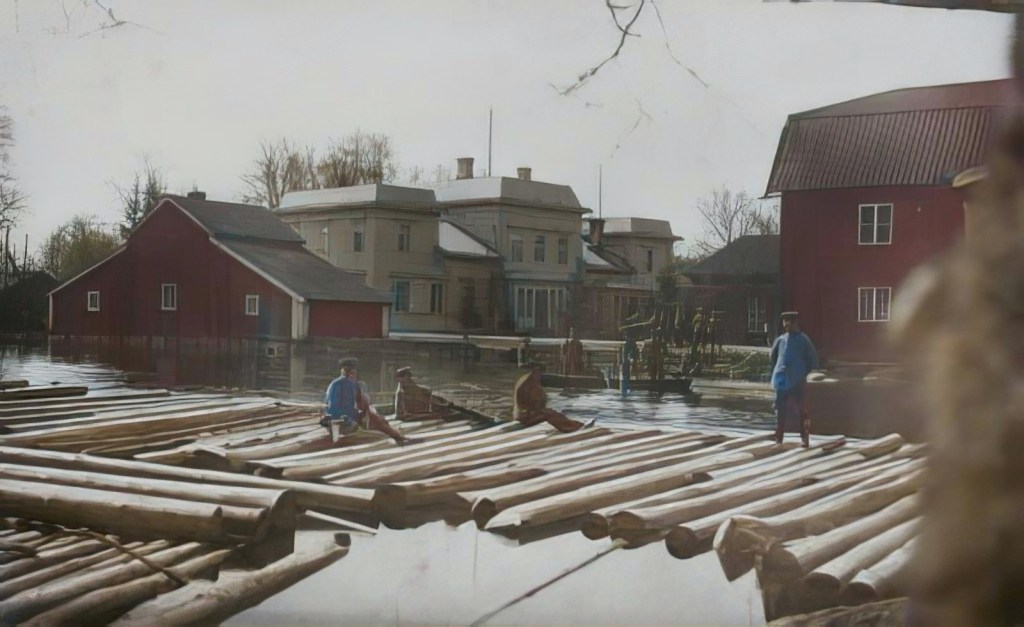
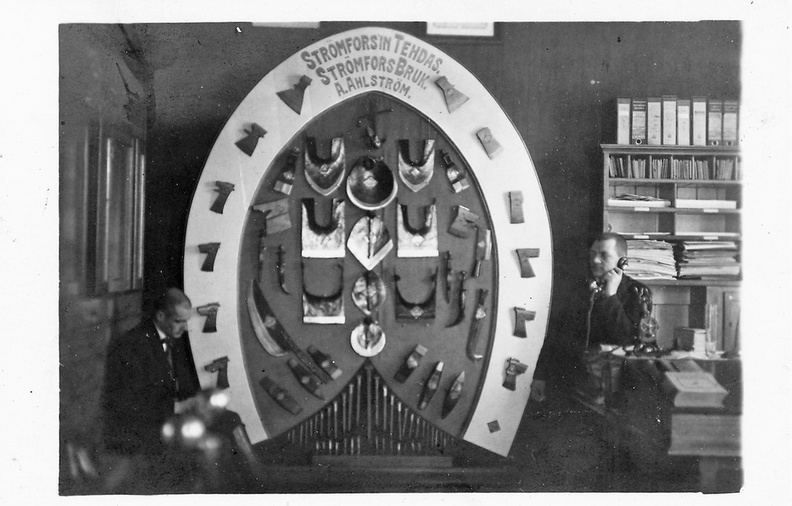
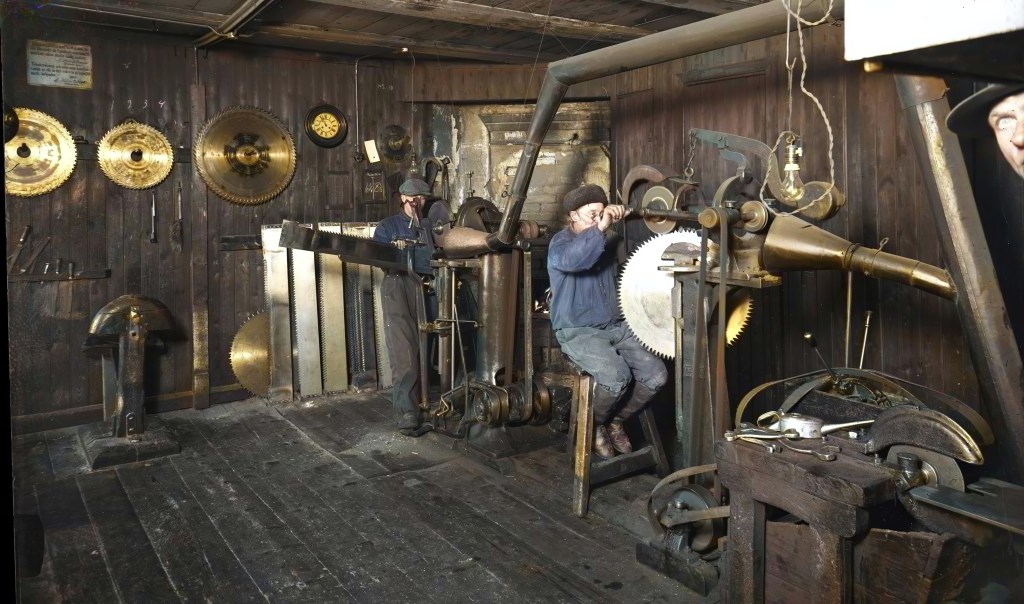
Raudan taloussuhdanteiden lisäksi Strömforsin Ruukilla oli toinenkin haaste, nimittäin vesivoimaan pohjautuvan tuotannon vanhanaikaisuus. Monien pienten ongelmien yhteensattumasta ruukki teki konkurssin 1870-luvulla, jonka jälkeen sen rippeet poimi useita muita ruukkejakin ostellut Antti Ahlström. Hän päätti kääntää ruukin suuntaa ja keskittää sen tuotannon sahatuotantoon. Alkoi puun materiaaliaikakausi.
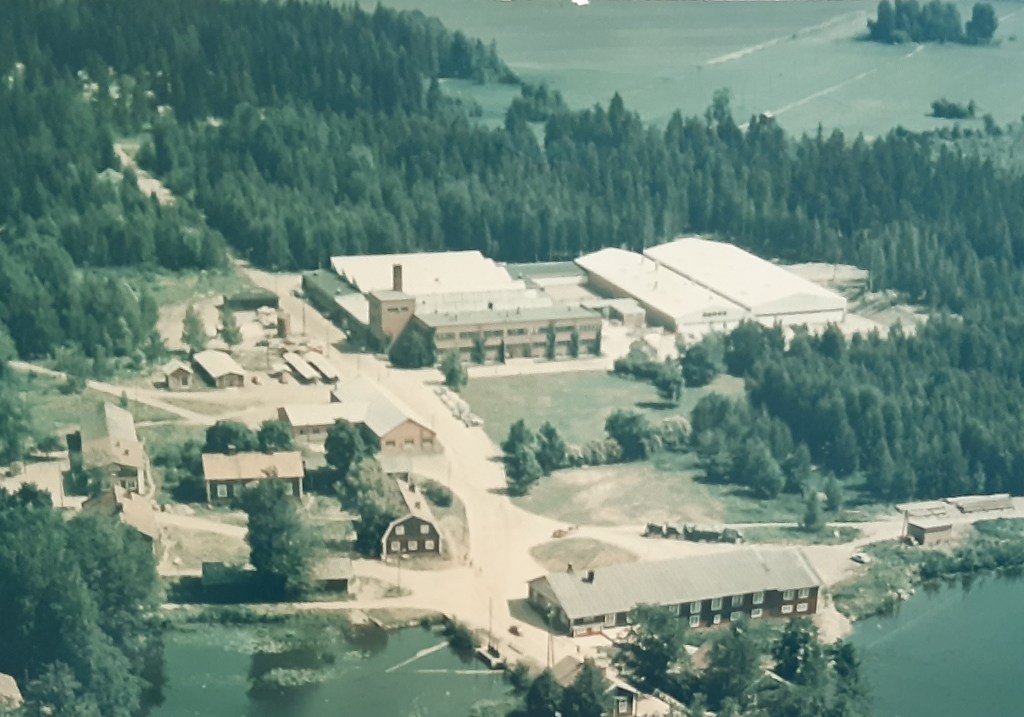
Sahatuotanto säästi ruukin siltä tuhon ja autioitumisen kohtalolta, joka kosketti niin montaa raudantuotannon kulttuuriympäristöä 1800-1900 -lukujen vaihteessa. Sahatuotanto oli voitokasta aina toiseen maailmansotaan saakka. Sen jälkeen Strömforsin kohdalla jouduttiin hyväksymään faktat: vesivoimalla toimiva teollisuus ei enää kyennyt kilpailemaan sähkötuotannon kanssa. Ruukin onneksi Ahlström yhtiön vastaus tähän pattitilanteeseen ei kuitenkaan ollut ruukkialueen sulkeminen ja autioituminen. Sen sijaan Strömforsiin perustettiin jotain aivan uutta: Ahlström yhtiön Karhulan tehtaalta alkunsa saanut pakeliitti-, eli muovituotetehdas. Uuden rakennuksen materiaalit valmistettiin ruukilla vanhan teollisuuden viimeisenä puserruksena ja tehtaan ovet aukesivat vuonna 1947. Muovin aikakausi oli alkanut.
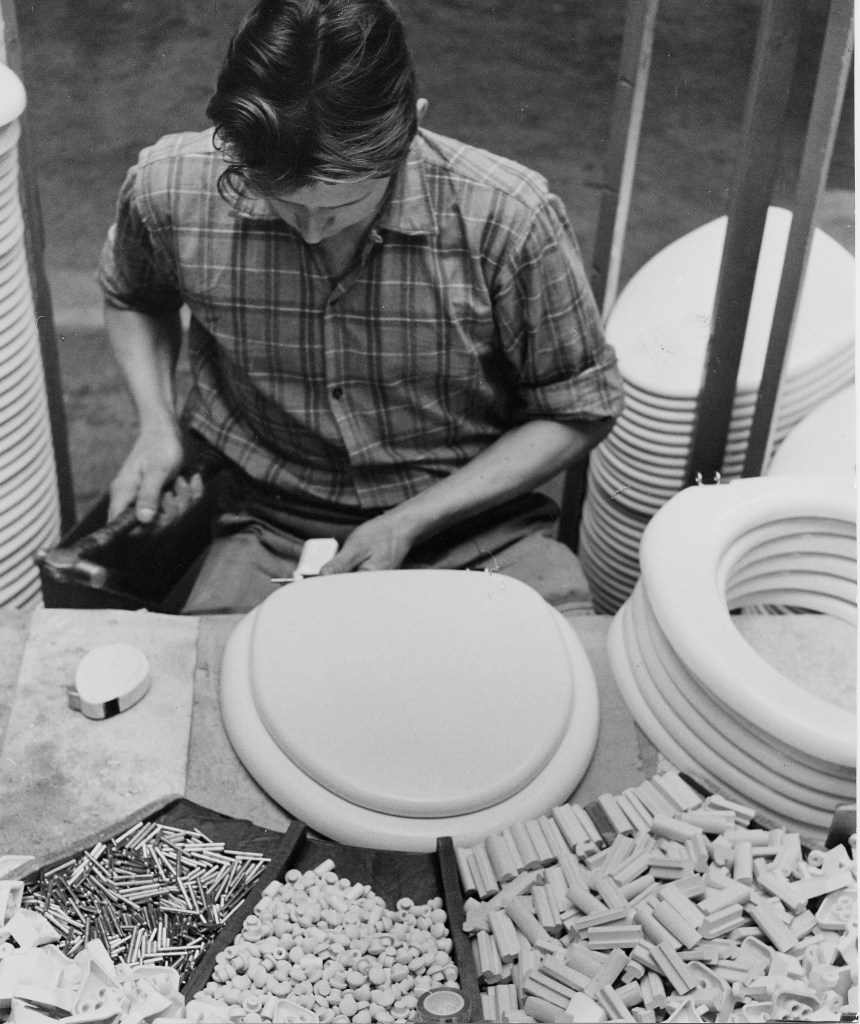
Strömfors tuli tunnetuksi erilaisista muovituotteista kuten Finnairille Wirkkalan suunnittelemasta Caravella-astiastosta, lähes kaikkia moderneja kylpyhuoneita koristaneista sylinterivalaisimista sekä värikkäistä wc-pytyn kansista ja lopulta pistorasioista sekä katkaisijoista. Muovin aikakausi siivitti ruukin ylitse vuosituhanteen vaihteen, muttei muutoksetta. Ahlström yhtiöt myivät muovituotetehtaan ranskalaiselle Lexel -yhtiölle vuonna 1999, päättäen yli 100 vuotta kestäneen omistuskautensa Strömforsissa. Muutamia vuosia myöhemmin tehdas myytiin saksalaiselle Schneiderille, joka lopulta vuonna 2014 veti tuotevalmistuksen kokonaan Suomesta. Tehdas pysähtyi. Ensimmäistä kertaa yli 300 vuoteen Strömforsissa ei tuotettu teollisesti mitään. Alkoi aineeton aikakausi.
2020-luvulla Strömforsin Ruukki on elävä kulttuuriympäristö. Myös tehtaalla on taas tehdastuotantoa Strömforsin Yrityspuiston alaisuudessa ja halleissa valmistuu muun muassa Kymifloorin massiivipuuparkettia ja CupBion muovittomia kertakäyttökuppeja. Vanhempi rakennuskanta on myös käytössä erilaisina puoteina, museoina, gallerioina ja tapahtumatiloina. Yhdessä ylläpidämme ja viemme eteenpäin ruukin pitkää historiaa. Kiitos, että olet osa sitä!
The history of Strömfors Ironworks does not begin with iron, even though that is the reason for which the works is best known. Before iron production began, the rapids—then known as the Petjärvi Rapids, named after the nearby Petjärvi cavalry farm—were used for fishing and powering a flour mill. Thus, the area’s history is rooted in agriculture, food production, and the river’s resources.
Its industrial history proper began in 1695, when the founder, Johan Creutz, obtained a privilege—or the right to produce iron—for the Petjärvi ironworks. Under this privilege, the first timber-framed bar iron forge was established; its function was to process pig iron ingots shipped from Sweden into bar iron. Consequently, the ironworks entered the era of bar iron production.
The bar iron era spanned several generations. The Creutz family sold the Petjärvi ironworks to the entrepreneurial duo of Jacob Forsel (later af Forselles) and Anders Nohrström, who renamed the site Strömfors in the 1740s. By this time, the old forges and dams had fallen into disrepair and were largely in need of reconstruction. In the 1750s, additional facilities supporting iron production—such as a sawmill and a brickworks—were established at the site. The era of brick production had begun.
In the early 19th century, market conditions for raw iron deteriorated. However, Virginia af Forselles, the ironmaster of Strömfors Ironworks, foresaw this just before her death in the 1840s. Consequently, the ironworks secured expanded production rights for iron goods—initially alongside the production of bar iron. Virginia’s vision proved accurate; after the 1850s, the significance of so-called “manufactory” production grew within Strömfors’s operations, eventually surpassing bar iron production. Thus began the era of iron goods and merchant iron.
Beyond the economic fluctuations of the iron market, Strömfors Ironworks faced another challenge: the obsolescence of its water-powered production methods. A combination of various minor issues led the ironworks to bankruptcy in the 1870s; its remnants were subsequently acquired by Antti Ahlström, who had already purchased several other ironworks. He decided to shift the facility’s direction, focusing production on sawmilling. The era of timber had begun.
Sawmilling saved the ironworks from the ruin and abandonment that befell so many iron-producing heritage sites at the turn of the 20th century. Sawmilling operations remained profitable until the Second World War. Thereafter, the reality had to be accepted: water-powered industry could no longer compete with operations powered by electricity. Fortunately for the ironworks, the Ahlström company’s response to this impasse was not to close down and abandon the area. Instead, something entirely new was established at Strömfors: a factory producing Bakelite—an early form of plastic—originating from Ahlström’s Karhula plant. The materials for the new building were produced on-site as a final industrial flourish of the old ironworks, and the factory opened its doors in 1947. The era of plastic had begun.
Strömfors became known for a variety of plastic products, such as the Caravella tableware designed by Wirkkala for Finnair, the cylindrical light fixtures that adorned countless modern bathrooms, colorful toilet seats, and eventually, electrical sockets and switches. The plastic era carried the ironworks into the new millennium, though not without change. Ahlström sold the plastics factory to the French company Lexel in 1999, ending over a century of ownership in Strömfors. A few years later, the factory was sold to the German company Schneider, which ultimately moved all manufacturing out of Finland in 2014. Production ceased. For the first time in over 300 years, no industrial goods were being manufactured at Strömfors. An intangible era began.
In the 2020s, Strömfors Ironworks stands as a vibrant cultural environment. Manufacturing operations have also returned to the site under the auspices of Strömfors Business Park; the factory halls now produce goods such as Kymifloor’s solid wood parquet and CupBio’s plastic-free disposable cups. The older buildings also house a variety of shops, museums, galleries, and event spaces. Together, we preserve and carry forward the ironworks’ long history. Thank you for being a part of it!



Leave a Reply